


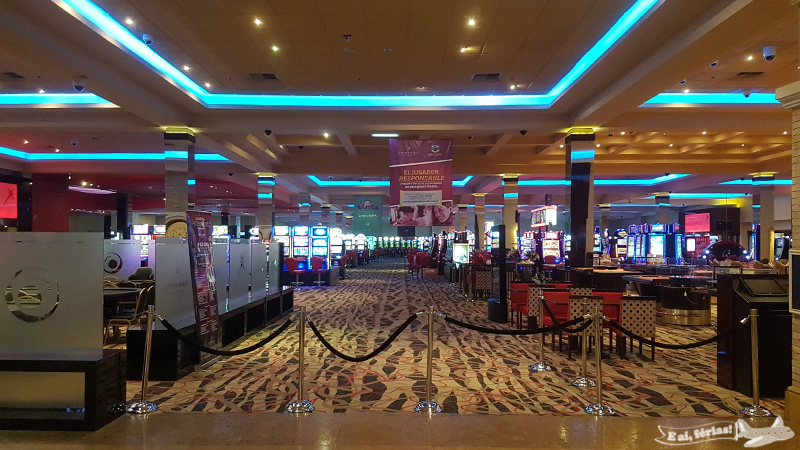

A Norwegian gambler logging in for a few rounds of blackjack or a turn on a slot anticipates fair play. That expectation is not an extravagance; it is a guarantee. Online gambling can seem like a black box where code replaces physical cards and chips. Yet beneath every deal and spin sits a layered framework constructed to ensure randomness, safeguard player money, and preserve the games honest. Casoola Casino works inside that framework. To grasp how fair play is really constructed, you have to look carefully at the license, the game mechanics, and the legal terms that connect the casino and the player. This article explores the pillars that convert a fairness promise into something a Norwegian player can confirm.
The Legal Backbone of Honest Gaming
The Role of Licensing Authorities
A casino’s license is the strongest signal of its dedication to fair play. Jurisdictions like the Malta Gaming Authority (MGA) impose strict rules covering capital reserves, dispute resolution, and more besides. For Casoola Casino, holding an MGA license means routine inspections, segregated player funds, and certified random number generators within every game. A license is not a single stamp; it is a living obligation. If an operator fails a compliance check or handles clients badly, regulators can sanction, suspend, or revoke the license altogether. The cost of surrendering that license overshadows any quick win from rigged outcomes, so the incentive to follow the rules is enormous. For Norwegian players, this international safety net delivers a layer of oversight that domestic monopoly arrangements do not consistently provide with equal transparency.
Norwegian Consumer Protections and EU Law
Norway maintains state-run gambling monopolies through Norsk Tipping and Norsk Rikstoto, but many residents still choose international sites for a broader game selection and stronger returns. In that cross-border setting, European consumer protection principles carry significant weight. Operators who focus on the Norwegian market often willingly adopt EU rules on unfair commercial practices and data protection, even when they are not legally required by them. Casoola Casino, for instance, manages personal data under the General Data Protection Regulation (GDPR), a standard that aligns closely with Norwegian expectations for privacy. The Norwegian Payment Act also influences how deposits and withdrawals operate, and serious casinos make sure their payment methods meet local banking rules. This combination of national values and international law means fair play extends well past game results. It covers honest marketing, clear bonus advertising, and the safe handling of sensitive financial information.
Casoola Casino’s Dedication to Open Operations
Licensing and Oversight Oversight
Casoola Casino runs under a Malta Gaming Authority license, a body known for detailed player protection rules. The license demands quarterly financial reports, compliance audits, and a dedicated account for player funds kept separate from operating cash. That division means player balances stay safe and recoverable even in an insolvency scenario. The MGA also maintains a formal complaints channel, so a Norwegian user who feels a term was applied unfairly can bring the dispute to an official body. Picking a casino that answers to a respected European regulator provides players a structured way to challenge, something unlicensed sites simply do not have. Anyone can check the public license register and verify Casoola Casino’s standing in seconds. A claim of legitimacy becomes a checkable fact.
Independent Game Audits
The eCOGRA Certification
Beyond regulatory checks, Casoola Casino submits its game library through independent testing by eCOGRA, a UK-based testing agency acknowledged worldwide. The eCOGRA seal means the games have been tested for fairness, the RNG works correctly, and the posted payout percentages are accurate. Certification is not a one-off; it undergoes renewal on a schedule, and any slip prompts an instant review. For a Norwegian player, that badge is a fast indicator of integrity. eCOGRA also gets involved to mediate player disputes, creating a layer of consumer protection that operates outside the casino’s own support desk. With both the regulator and an independent tester watching, the casino cannot simply assess its own work.
Core Mechanics of Game Integrity
Random Number Generator (RNG) Technology
Behind every digital slot and table game operates a Random Number Generator, a sophisticated algorithm that spits out number sequences with no pattern. A well-designed RNG ensures each card dealt or each reel stop completely independent of the last, so prediction and manipulation are impossible. No one trusts an RNG without proof. Independent test houses put the algorithms through millions of simulated rounds, testing for statistical drift, bias, and any hint of predictability. Casoola Casino sources its games from studios whose RNGs carry certificates from accredited labs. That means a player in Oslo enjoys the same genuine shot at a jackpot as a player anywhere else. With the RNG operating properly, the house cannot tamper with a single round. The casino’s edge lies in the maths of the house margin, never in real-time interference.
Return to Player (RTP) Percentages
RTP Verification by Independent Labs
Return to Player is a theoretical figure that shows what percentage of all wagers a game will pay back over a long period. A slot with a 96% RTP is projected to return 96 kroner for every 100 kroner staked, across millions of spins. The casino does not determine that number. It is baked into the game code by the developer and audited by third-party auditors. Labs like eCOGRA, iTech Labs, and Gaming Laboratories International run vast simulations to confirm the live payout behaviour falls within tight statistical margins of the advertised RTP. Casoola Casino publishes the RTP for each game, so a Norwegian player can make a choice with full information. The verification also proves the operator cannot tweak the payout percentage remotely after a game goes live. That closes a loophole that would otherwise hollow out the fairness promise. A percentage on a screen becomes a concrete, audited fact.
Affiliate Programme Standards and Clarity
Commission Models and Monitoring
Casoola Casino manages a results-driven affiliate programme. Partner websites generate money for sending new players. The typical models are revenue share, where the affiliate receives a cut of the net gaming revenue from the customers they brought, and cost-per-acquisition, a flat fee for each depositor who satisfies the conditions. Tracking depends on cookies and unique identifiers that connect a registration to the right affiliate. Programme terms must state the cookie window and any bundling rules. Ethical operators block affiliates from manipulating the tracking or claiming commissions on players who would have registered anyway. For Norwegians, this matters because many review sites and comparison portals depend on affiliate income. Understanding clear rules around that relationship assists a player assess how objective a recommendation might be.
Responsible Marketing Standards
Fair play stretches all the way to the ads and reviews a player encounters before signing up. Casoola Casino’s affiliate terms ban partners from aiming at minors, making false bonus claims, or implying that gambling can solve financial trouble. Affiliates must include responsible gambling messages and links to support organisations in their content. This is important especially in Norway, where gambling advertising already encounters tight restrictions and any marketing that reaches Norwegian residents must honor the local sensitivity around problem gambling. The casino keeps an eye on affiliate activity and can cut ties with partners who break these standards. Upholding honest marketing ensures the first impression a player gets is truthful, establishing a tone of openness rather than exploitation.
Interpreting Terms and Conditions for Honest Play
Bonus Conditions and Betting Requirements
Bonuses can seem plump on the surface, but true fairness lies in the small print. Playthrough requirements reveal how many times you must bet through a bonus before any winnings can leave your account. Casoola Casino states those conditions plainly, stating exactly which games apply toward the playthrough and at what rate. Slots often contribute 100%, while card games might only add 10%, a standard safeguard that prevents bonus abuse on low-edge games. Players from Norway should verify the maximum bet permitted during bonus play and the list of restricted games, because violating those terms can wipe winnings. Honest play here means the rules stand in clear language, not in a mess of legal terms, so a player offers informed consent before ever doing a deposit.
Payout and KYC Procedures
Identity Verification Timelines
Customer Identification checks are compulsory. They stop money laundering and identity crime. The manner a casino manages them shows you a great deal. A honest operator checks documents promptly and tells you exactly what it demands. Casoola Casino commonly requires a government-issued ID, a current utility bill or bank statement to confirm your address, and sometimes evidence that you control the payment method. Turnaround should be hours or a few business days, never weeks. Constant delays can indicate cash difficulties or a calculated attempt to block payouts. The terms and conditions page should list which documents are valid, the greatest processing window, and any withdrawal restrictions. When a Norwegian player is aware of these details before hitting the cashier, the KYC step becomes a standard security check, not a sudden roadblock.
Ethical Betting as a Cornerstone of Fair Play
Gamer Safety Tools
A gaming platform that represents fair play offers its users the controls to remain in control. Casoola Casino delivers a range of responsible gambling tools that allow Norwegian players set deposit caps daily, weekly, or monthly, setting spending limits prior to gameplay. Reality check pop-ups can appear at set intervals, displaying how long you have been playing and your session net result. Loss limits and wager limits add extra guardrails, and all these settings apply instantly. Loosening them activates a cooling-off period. None of this is hidden in a dark menu corner. The tools live in the account dashboard, and support staff are prepared to identify signs of distress. Fair play collapses if the casino does not protect you from your own vulnerable moments. These features demonstrate the operator acknowledges that entertainment must never become harm.
Self-Exclusion and Assistance Systems
When casual play turns into something heavier the capability to disconnect fully has to be present. Casoola Casino provides players self-exclusion options that run from a short 24-hour breather all the way to permanent account closure. Once triggered, the casino disables all marketing and stops login attempts, and the decision holds until the exclusion period ends. Norwegian players can also access national support networks like Hjelpelinjen for spilleavhengighet, and the casino’s site connects directly to those services. Embedding local help into the platform demonstrates that fair play is not just a technical checklist. It is a whole-circle duty that covers the health of the community. An operator that makes a clean break feasible when it is necessary proves that player welfare comes before a quick revenue hit.
Honest play in an online casino is not a simple switch. It is a network of regulatory requirements, technical accreditations, clear policies, and ethical decisions, piled one on top of another. The MGA license that underpins Casoola Casino’s operations, the RNG audits that verify every game round, and the clear terms all operate as controls that shield the player. Terms and conditions written in simple language become a pact of mutual respect, not a pitfall. An affiliate programme that gets regulated for honesty ensures the information that reaches Norwegian consumers is correct and trustworthy. A casino that invests in independent testing, performs fast KYC checks, and delivers real player protection tools proves that it knows trust must be earned over and over. For players in Norway, these indicators form a reliable map for navigating the digital gaming landscape with their eyes open.
FAQ
How does a Norwegian player confirm that Casoola Casino is licensed?
Go to the footer of the Casoola Casino website and tap the Malta Gaming Authority seal. That badge points to the MGA’s public license register, where the operator’s license number, status, and allowed activities are displayed in real time. The register also displays any disciplinary actions, so a clean record is quickly confirmable. Connecting the claim to an official government database means a player is not required to trust the casino’s word. Before depositing, a Norwegian user gets an authoritative source for verifying the license is real.
What exactly does an RNG audit actually check?
An RNG audit analyzes the algorithm that produces game results to make sure the output is statistically random and unpredictable casoolakasino.no. Testing labs conduct billions of simulated rounds and then review the spread of symbols, card sequences, and win frequencies. They search for patterns, biases, or any link between one outcome and the next. The audit also verifies that bet size or player behaviour cannot affect the RNG. Meeting these checks ensures every spin and every deal is independent and fair, so a Norwegian player receives genuine odds.
Why do withdrawal requests sometimes need identity documents?
Identity checks are a legal must under anti-money laundering regulations that apply to every reputable online casino. By demanding a government-issued ID, proof of address, and verification of the payment method, Casoola Casino makes sure the funds reach the real account holder, not a impostor. The process also stops underage gambling and stops unauthorized account access. It can seem like a hassle, but a fast and clear KYC procedure is a indicator of a safe operator that meets its regulatory responsibilities.
Are the RTP percentages listed on the site credible?
Yes. The shown RTP figures are provided by the game developer, not the casino, and independent test bbc.co.uk houses like eCOGRA validate them. Casoola Casino cannot change a game’s payout percentage after certification. The stated number indicates the theoretical return over millions of rounds, and auditors validate the live operation aligns with that figure within a small error margin. Norwegian players can cross-check these RTP values on the developer’s official site for extra confidence.
How the affiliate programme influence the information a player sees?
Referrers receive payments for directing gamblers, so a evaluation could be tilted if declarations are absent. Casoola Casino’s program terms mandate affiliates to provide honest facts and ban deceptive statements. The casino tracks what affiliates post and can end agreements that break the regulations. When a Norwegian player checks a evaluation website, they should look for a obvious notice that the site accepts commission payments. A clear affiliate URL, properly declared, does not automatically render the information useless, but it is a layer that a careful user should keep in mind.
Which transpires if a player feels a game outcome was unjust?
The first step is to get in touch with Casoola Casino’s customer assistance with the game title, period of play, and reference ID. The assistance staff can retrieve the game round log and offer a full explanation of what happened. If the answer does not satisfy, the user can take the issue to the Malta Gaming Authority or to eCOGRA. Both organizations manage independent dispute handling processes. They possess the authority to investigate, pull server records, and force the company to rectify any verified error, so a fair result has a real path to pursue.